
Blog
Dog & Cat Fur Care: The Complete Guide to a Healthier Coat

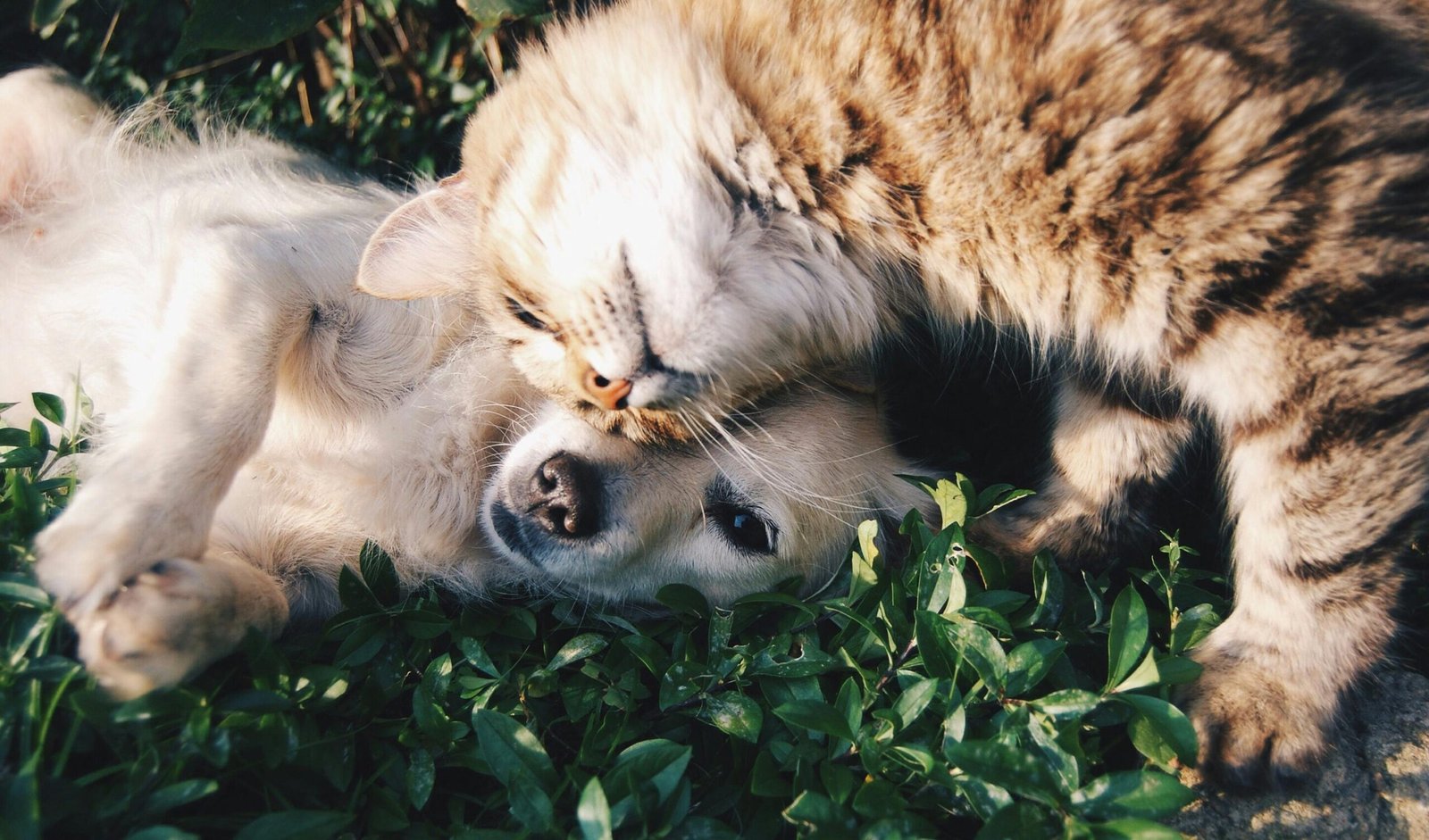
A healthy coat isn’t just about looks—your pet’s fur reflects their comfort and overall wellness. Whether you have a fluffy cat or a double-coated dog, the right routine can help reduce shedding, prevent tangles, and keep the coat soft and clean.
This guide covers simple, practical steps for dog and cat fur care, including brushing schedules, bathing tips, and how to choose the right grooming tools.
Why Fur Care Matters for Dogs and Cats
Regular coat care helps you:
- Reduce loose hair and shedding at home
- Prevent painful matting and tangles
- Keep the skin clean and comfortable
- Spot issues early (fleas, dryness, irritation, lumps)
- Support a shinier, healthier-looking coat
Step 1: Choose the Right Brush for Your Pet’s Coat Type
Different coats need different tools. Using the wrong brush can irritate the skin or do nothing at all.
For short coats (most short-haired dogs and cats)
- Rubber grooming brush or glove
- Soft bristle brush for finishing
For medium to long coats
- Slicker brush for tangles
- Comb for finishing and checking mats
- Detangling spray for stubborn areas
For thick or double coats (many dog breeds)
- Undercoat rake (use gently)
- Slicker brush
- Deshedding tool (not daily—use in moderation)
Tip: Always brush gently and stop if your pet shows discomfort.
Step 2: Build a Simple Brushing Schedule
A consistent routine beats random grooming sessions.
- Short coat: 1–2 times per week
- Medium coat: 3–4 times per week
- Long coat / prone to mats: daily or near-daily
- Heavy shedding seasons: increase frequency temporarily
For cats, many do best with short sessions (2–5 minutes) to avoid stress.
Step 3: Bathing Without Damaging the Coat
Over-bathing can dry out the skin, especially for cats and sensitive dogs.
General guidelines
- Many dogs: every 3–6 weeks (depending on lifestyle)
- Cats: usually only when needed (unless advised by a vet)
Bathing tips
- Use a pet-safe shampoo (never human shampoo)
- Rinse thoroughly—leftover soap causes itching
- Dry well (towel + low-heat dryer if tolerated)
- Brush after the coat is fully dry to prevent tangles
Step 4: Reduce Shedding the Right Way
Shedding is natural—but you can manage it.
- Brush consistently (best solution)
- Use a deshedding tool carefully (once weekly max for many pets)
- Keep hydration and diet consistent
- Wash bedding regularly
If shedding suddenly becomes extreme or patchy, consider a vet check.
Step 5: Common Coat Problems and Quick Fixes
Tangles and mats
- Don’t pull hard—use detangling spray and work slowly
- For severe mats close to skin, professional grooming is safest
Dry skin or dandruff
- Avoid frequent bathing
- Use gentle shampoo
- Check diet quality and hydration
- Consider humidifier in dry seasons
Fleas and itching
- Use vet-approved flea prevention
- Wash bedding and vacuum often
- Check under the neck, base of tail, and belly
Product Checklist for Fur Care (Quick Shopping List)
For most dog and cat households, these basics cover 90% of needs:
- Slicker brush
- Comb
- Pet-safe shampoo
- Detangling spray (optional)
- Grooming glove (great for short coats)
- Lint roller or reusable hair remover for furniture
Final Tips for Stress-Free Grooming
- Start with short sessions and reward with treats
- Brush in the direction of hair growth
- Make grooming part of a calm routine (after playtime works well)
- Keep tools clean—dirty brushes spread oils and odor
FAQ: Fur Care for Dogs and Cats
How often should I brush my pet?
Short coats: weekly. Long coats: daily or near-daily.
Can I use human shampoo?
No—human shampoo can irritate pet skin and cause dryness.
What’s the fastest way to reduce shedding?
Consistent brushing is the most effective and safest approach.